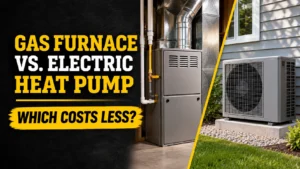
Choosing between a natural gas furnace and an electric heat pump is not as simple as comparing the numbers on the price tags. Both can heat a South Jersey home, but their running costs depend on local utility rates, equipment efficiency, winter conditions, and the way the system is installed.
How a gas furnace heats your home
A gas furnace burns natural gas to produce heat and uses a blower to distribute warm air through ducts. Its annual fuel utilization efficiency (AFUE) indicates how effectively it converts fuel into usable heat under standardized conditions. A high-AFUE model wastes less fuel than a low-AFUE one, although actual bills also depend on home size, insulation, and thermostat habits.
How an electric heat pump works
A heat pump moves heat rather than creating all of it through electric resistance. In heating mode, it extracts heat from outdoor air and transfers it inside, even when it feels cold outdoors. Its operating efficiency changes with outdoor temperature, equipment design, and how often any backup heat operates.
Modern cold-climate models can perform effectively at low temperatures, but not every heat pump is the same. Proper selection and installation matter.
Why one answer doesn’t fit every South Jersey home
Electricity and natural gas prices: A highly efficient heat pump can still have a higher operating bill than a gas furnace where electricity is comparatively expensive. The reverse can also be true. Review your actual utility rates rather than relying on national averages.
Equipment efficiency: Compare the specific furnace AFUE and heat pump performance data, not just the equipment category.
Outdoor temperature and backup heat: A heat pump may use more electricity during colder conditions, especially if electric resistance backup runs frequently.
Existing equipment: A house that already has gas service, ducts, and a working furnace presents a different financial picture from a home replacing both its furnace and air conditioner, or a home without gas service.
What about upfront costs?
The best long-term choice includes installation, electrical or gas infrastructure changes, maintenance, possible rebates, and expected equipment life. A heat pump often offers cooling as well as heating; a furnace-only comparison should account for the home’s air-conditioning needs too.
Questions to ask before deciding
- What are my actual electric and gas rates, including variable delivery charges?
- How much heat does my home need on a design-cold day?
- Will I need backup heat or duct modifications?
- What are the total installed costs of each option?
- How might each system affect year-round comfort and cooling?
Get a home-specific recommendation
No trustworthy contractor should guarantee that one type always costs less without evaluating the home and utility pricing. BMB & Sons can help South Jersey homeowners compare heating options and discuss an appropriate installation. Call (609) 513-1742 or visit bmbsons.com to review your needs.